
Instrument integration
LIMS Instrument Integrations for Laboratory Analyzers
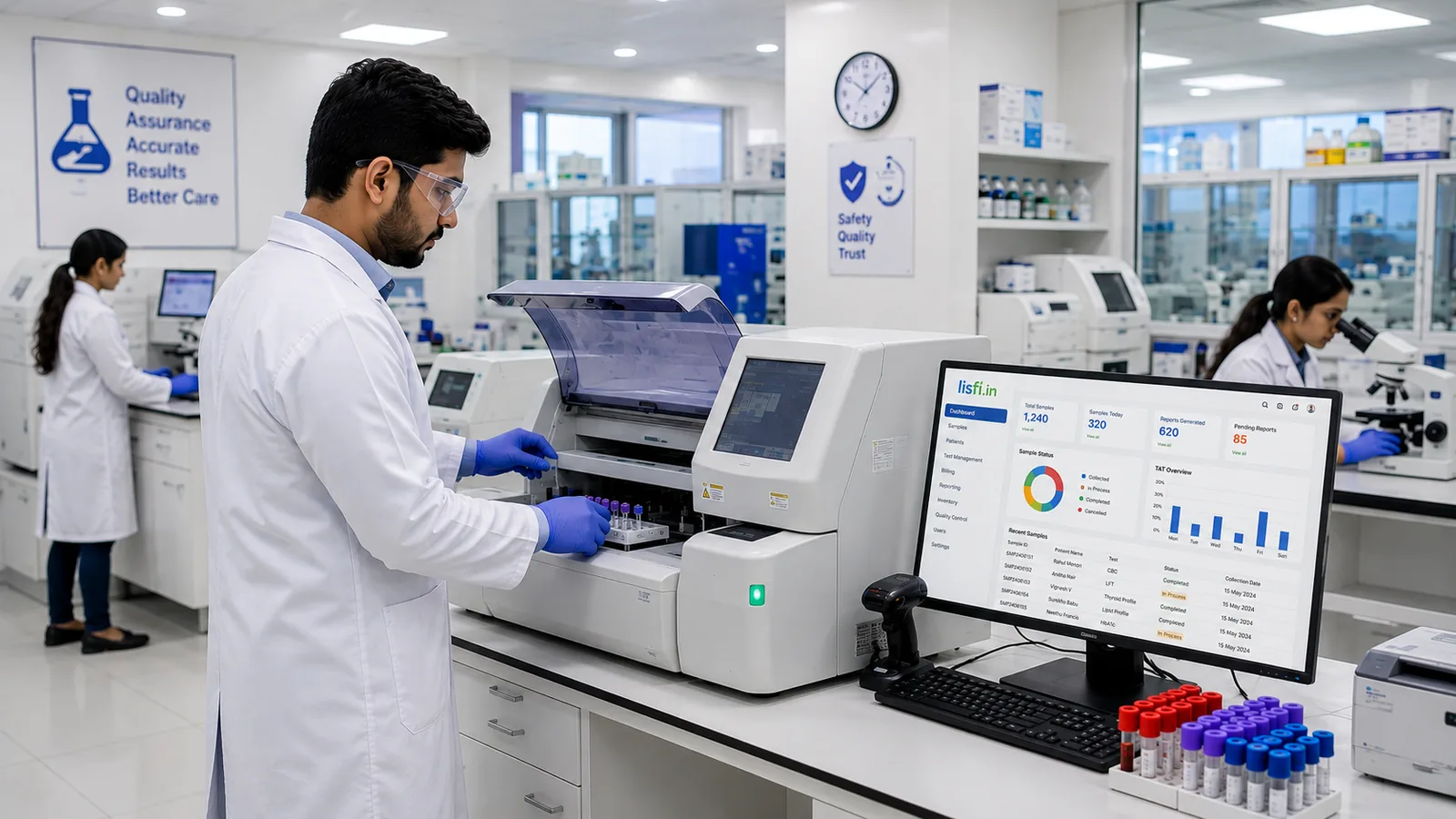
Lisfi interfaces with more than 40 supported hematology, biochemistry, immunoassay and ESR analyzers, transferring results from the instrument into the laboratory record automatically. Removing the manual entry step also removes the point at which transcription errors are introduced.
Supported analyzers
40+ Supported Analyzers, Grouped by Discipline
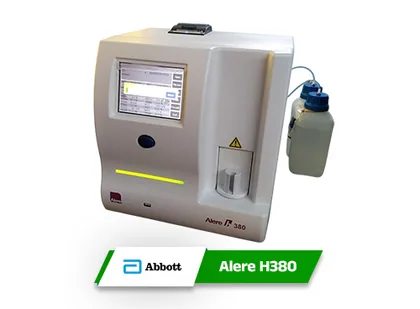
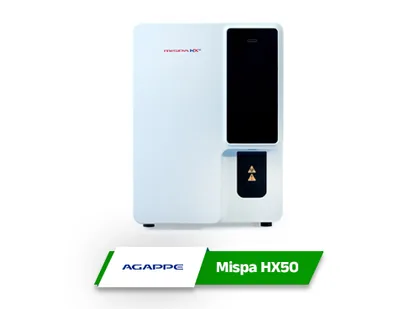
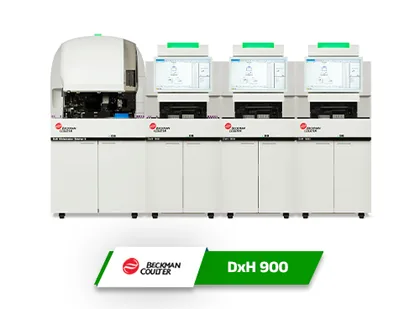
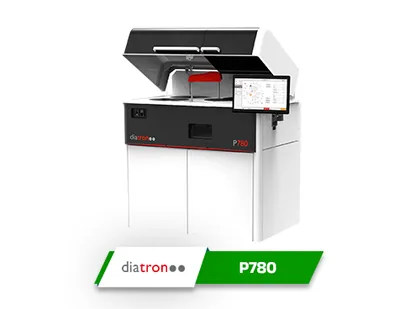
Every analyzer named below is a model Lisfi already interfaces with. Support is model-specific rather than brand-wide, so confirm your exact model with the Lisfi team before assuming the rest of a manufacturer's range is covered.
Hematology Analyzers
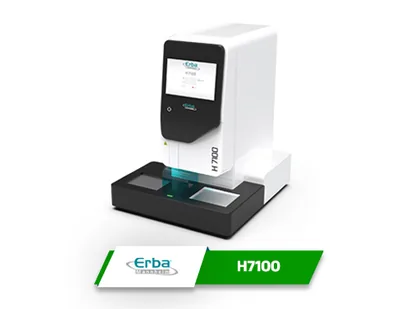
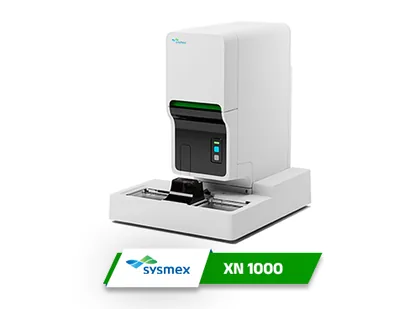
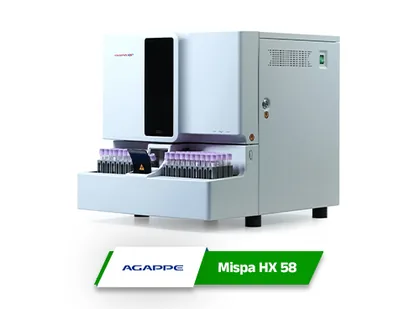
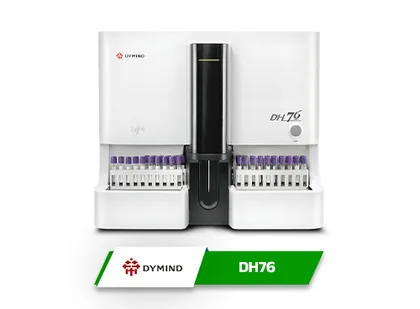
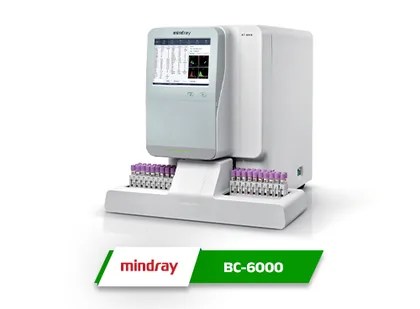
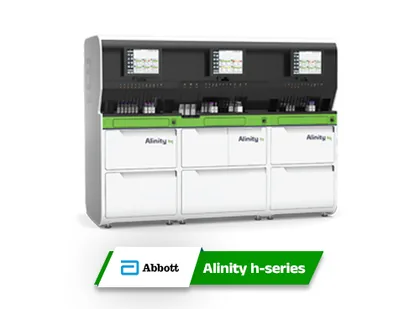
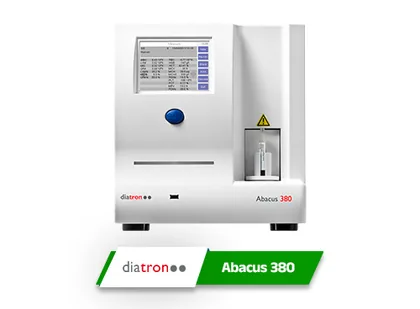
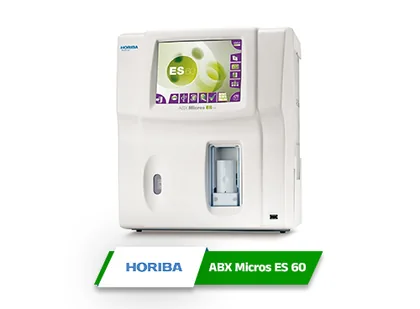
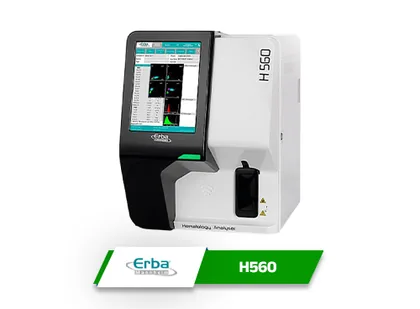
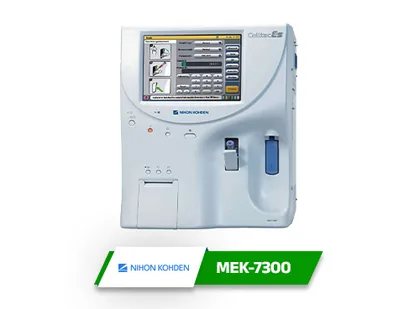
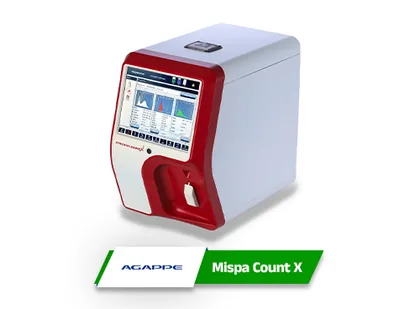
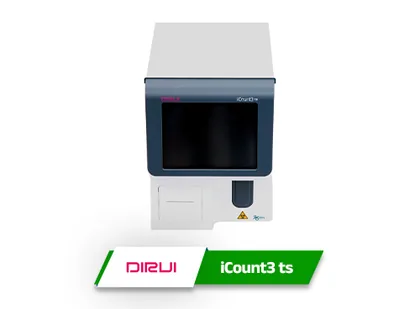
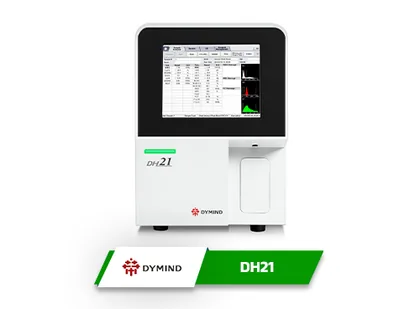
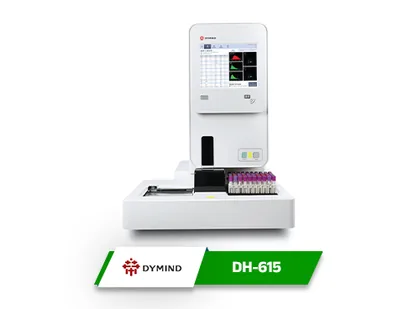
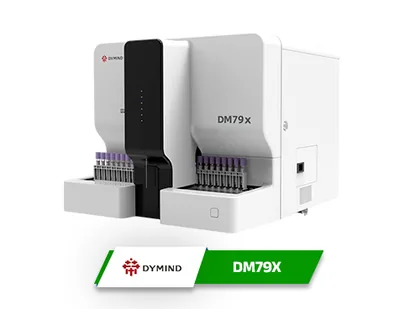
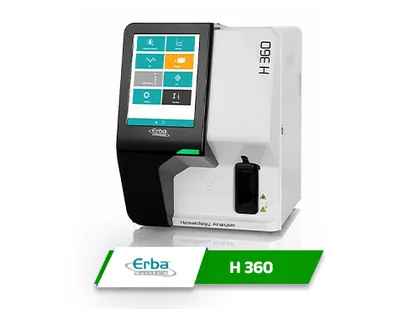
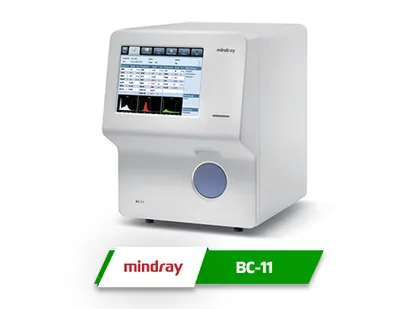
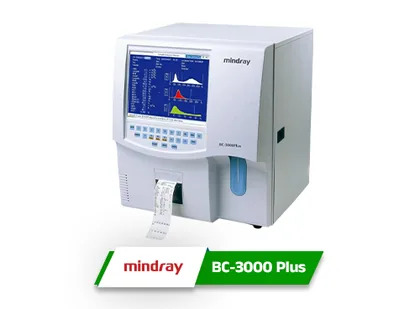
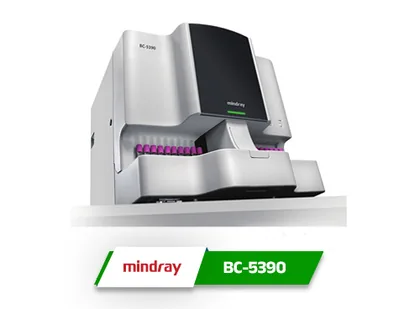
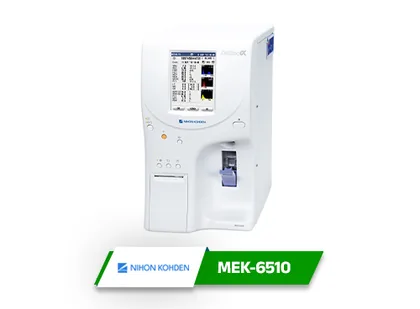
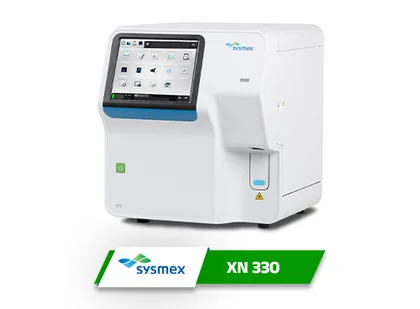
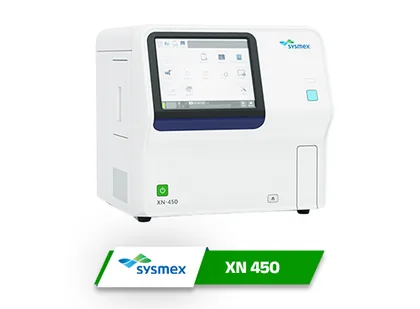
Hematology analyzers report blood cell counts and differentials. Lisfi reads their results into the patient record as each run completes, so a CBC never has to be typed a second time.
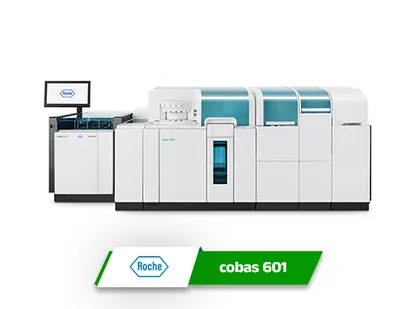
Biochemistry Analyzers
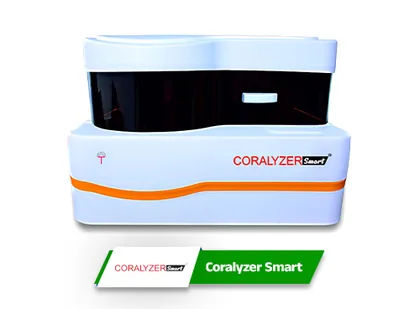
Biochemistry analyzers run clinical chemistry panels. Results transfer into Lisfi against the sample the run belongs to, which keeps the panel and the patient attached to one another.
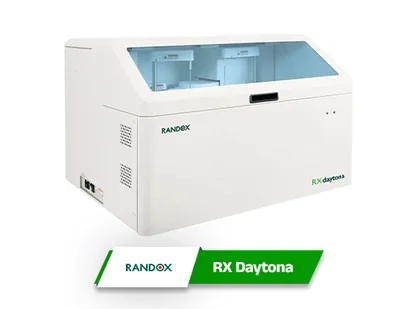
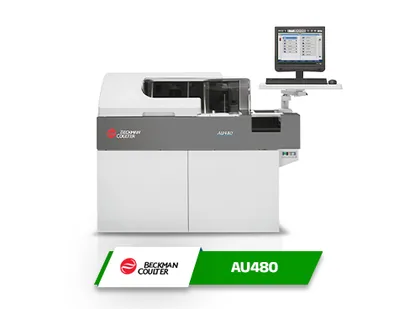
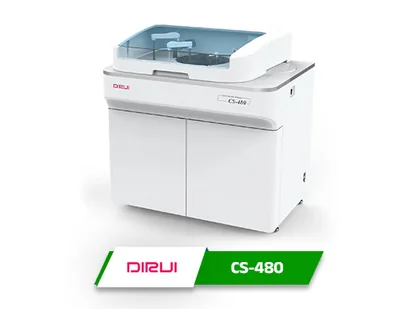
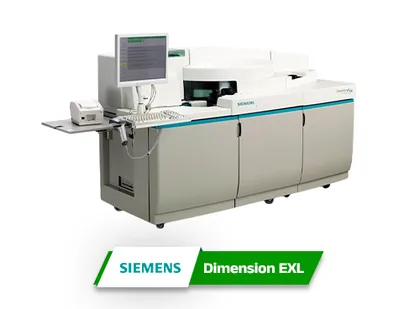
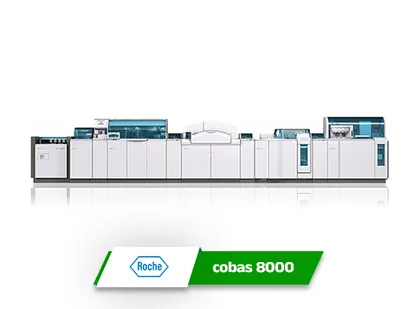
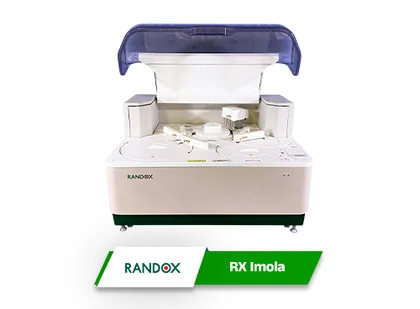
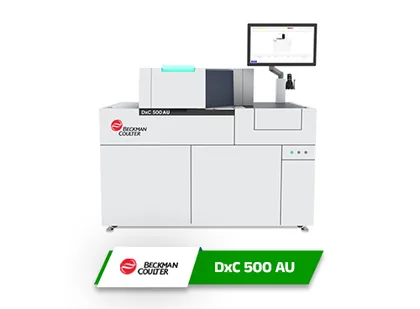
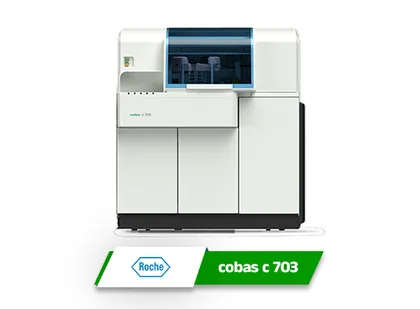
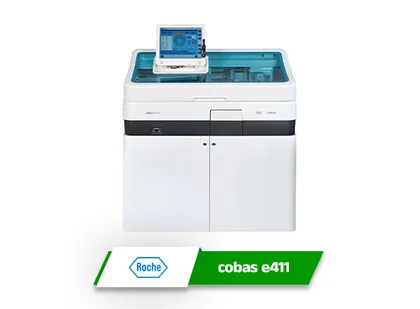
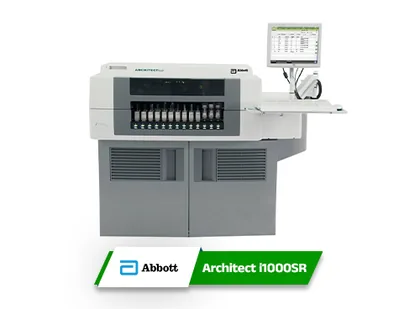
Immunoassay Analyzers
Immunoassay analyzers run hormone, tumour marker and serology assays. Their results arrive in the same laboratory record the rest of the patient panel is reported from.
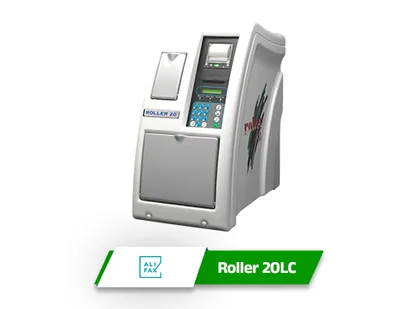
ESR Analyzers
ESR analyzers report the erythrocyte sedimentation rate. Their results land in Lisfi alongside the hematology work they usually accompany, on the same sample record.
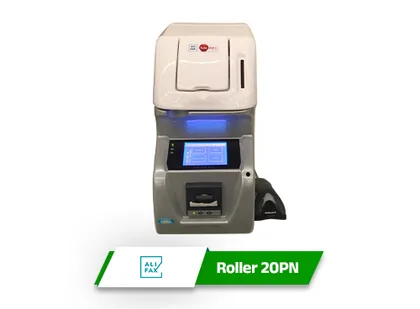
Not on the list?
Don't See Your Analyzer Listed?
The supported list grows as laboratories bring new instruments to Lisfi, so a model missing from this page has not been ruled out - it simply has not been added yet. Send the Lisfi team the make and model and you will get a straight answer: whether it is supported today, and what would be involved if it is not.
Integration work is scoped against the machines you actually run, alongside the rest of the Lisfi LIMS feature modules. Which analyzers your laboratory can connect does not change between plans - see the Lisfi Silver, Gold and Platinum plans for what each one includes.
40+ analyzers connectedSupport confirmed per model
How it works
What Is Laboratory Instrument Integration?
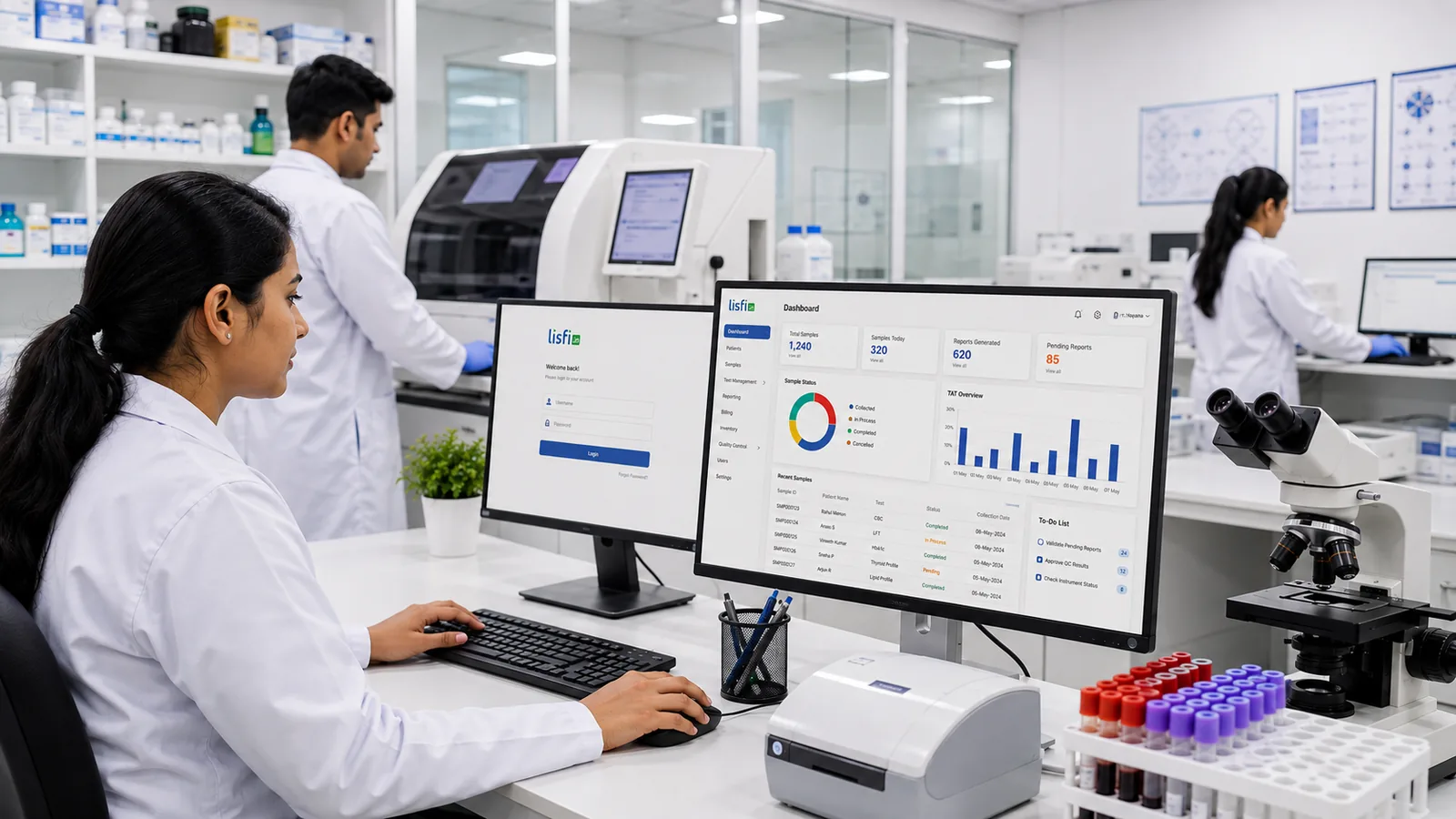
Laboratory instrument integration is a direct interface between an analyzer and the laboratory information system, so a result moves from the machine into the patient record without anyone typing it. Lisfi supports this interface for 40+ analyzer models across hematology, biochemistry, immunoassay and ESR.
How the interface works
The analyzer sends its result for a sample over its own interface. Lisfi matches that result to the sample already registered under the barcode on the tube, and files it against the patient the sample belongs to - no operator step in between.
What it removes
It removes manual transcription. Nobody reads a value off the analyzer screen and retypes it into a form, which is precisely the step at which a transcription error would otherwise be introduced into a patient report.
What the laboratory notices
Results are ready for verification when the run finishes rather than when someone gets to a keyboard. The reporting queue then moves at the speed of the bench, which is what colour-coded turnaround-time monitoring is measuring.
Free demo, about 20 minutes
See Your Analyzer Talking to Lisfi
Request a free demo and bring your instrument list. We will show you how results reach the patient record from the analyzers you already own, and be plain about the ones that still need work.
Product brochure · PDF
Download Brochure
All You Need to Know, In One Brochure
Download the Lisfi product brochure to review every LIMS capability and compare Silver, Gold and Platinum plans for your laboratory.